
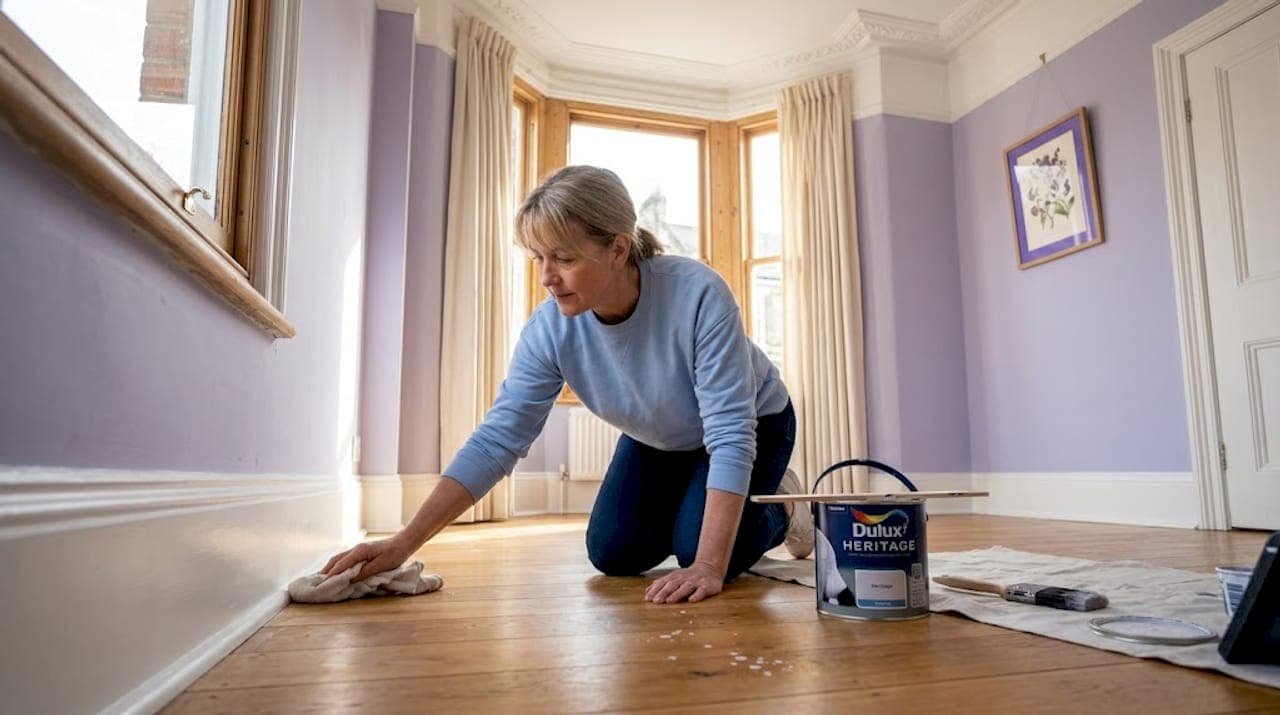
Most homeowners treat woodwork as an afterthought. The walls get all the attention, and the skirting boards, door frames, and stair risers are left to fade quietly into the background. But why woodwork painting transforms interiors goes far deeper than a fresh coat of gloss. Recent research shows that strategically painted woodwork changes how a room feels spatially, how you move through it emotionally, and how much personality a space actually carries. This article covers the psychology, the technique, and the practical colour choices that make the real difference.
Table of Contents
- Key takeaways
- Why woodwork painting transforms interiors
- Preparation and primer: the technical foundation
- Colour ideas and creative strategies for woodwork
- Cost and time: the practical case for painting woodwork
- My honest take on painted woodwork
- Get flawless woodwork results with Thefinallayer
- FAQ
Key takeaways
| Point | Details |
|---|---|
| Spatial perception shifts | Painted woodwork creates visual layering that makes rooms feel more considered and dimensional. |
| Primer is non-negotiable | Tannin-rich woods need a stain-blocking primer or paint failure and discolouration will follow. |
| Restraint maximises impact | One or two carefully chosen accent spots per room deliver more elegance than painting everything. |
| Cost-effective transformation | Painting woodwork and cabinetry costs a fraction of structural renovation with comparable visual results. |
| Colour placement matters | Matching woodwork to walls unifies space; contrasting it adds architectural definition and character. |
Why woodwork painting transforms interiors
Walk into a room where the skirting boards, cornicing, and door frames are painted in a tone that deliberately contrasts the walls, and you feel the difference before you can explain it. That is not coincidence. A 2026 study in Frontiers in Built Environment found that subtle colour placement within architectural elements enhances perceived depth and spatial layering by creating a genuine "surprise" element for the eye.
This is the thinking behind the so-called "peek-a-boo" paint trend that interior designers have been discussing seriously in 2026. The idea is straightforward. You paint a partially concealed area, the inside of a bookcase, the back of an alcove, or the risers of a staircase, in a bolder or contrasting colour. The result is that the colour reveals itself gradually as you move through the space. It adds intrigue without overwhelming.
"The peek-a-boo approach works because it balances contrast with partial concealment. You get personality and integration at the same time, without the room feeling like it is shouting at you." — Interior design expert, cited in The Times of India, 2026
The impact of woodwork painting on spatial perception comes down to layering. When your walls are a soft neutral and your woodwork picks up a deeper tone, the eye reads the room as having more structure and depth. That layering is what separates a thoughtfully designed interior from one that simply has nice furniture.
Here is what makes this approach work well:
- Contrast creates architecture. Painted trims and door frames draw the eye to the bones of a room, making standard proportions feel more deliberate.
- Partial concealment builds curiosity. Colour tucked into alcoves or shelving backs rewards people who move through the space.
- Neutral walls amplify woodwork colour. A calm background makes even a modest accent on the skirting feel considered.
- Restraint is the key. The peek-a-boo effect loses its elegance when it is applied in too many spots. One or two carefully chosen placements per room maintain a refined result.
Preparation and primer: the technical foundation
The most beautiful colour choice in the world will fail without proper preparation. This is where most DIY woodwork painting projects go wrong, and where the benefits of painting woodwork are either realised or wasted entirely.
The single biggest technical challenge is tannin bleed. Woods like oak, cedar, and redwood contain water-soluble tannins that migrate through paint films when moisture is present. Tannin-rich woods require a dedicated stain-blocking primer because regular paint alone cannot stop the discolouration. You will see yellowish or brownish staining appear through your topcoat within weeks if you skip this step. Oil-based stain-blocking primers are the most reliable option for these species.
Moisture is the other critical factor. Painting damp wood causes stain migration through coatings regardless of how good your primer is. Wood must be fully dry before any product goes on. This sounds obvious, but in older homes with draughty sash windows or rooms prone to condensation, it is easy to underestimate how much moisture the timber has absorbed.
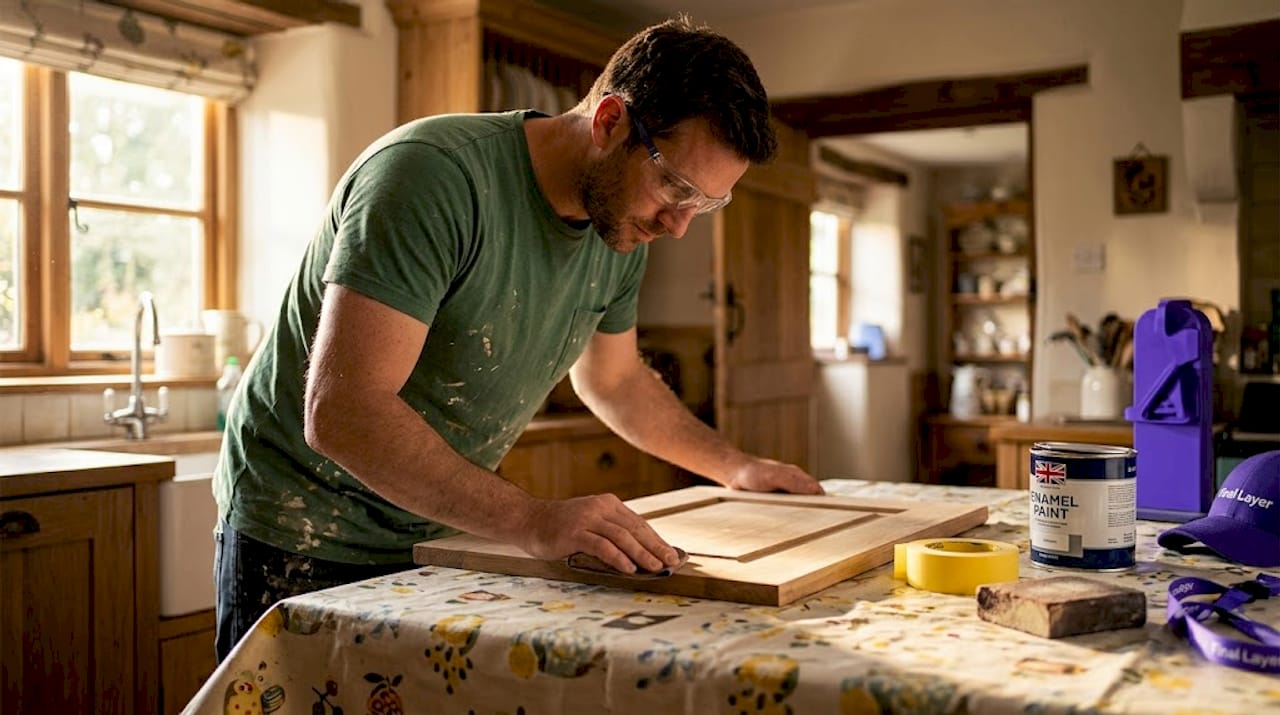
For previously painted or glossy woodwork, a different challenge applies. Gloss surfaces resist adhesion, so standard primers will not bond reliably. High adhesion primers improve paint bonding on tricky surfaces like glossy cabinetry and previously painted enamel, reducing the risk of peeling and uneven coverage. Proper cure times matter here too. Rushing between coats is one of the most common reasons a finish looks good for a month and then starts to lift.
Pro Tip: If you are unsure whether your woodwork contains tannins, apply a small patch of white spirit-based stain-blocking primer to a test area and leave it for 48 hours. Any bleed-through will show clearly before you commit to the full job.
On the question of paint formulation, the good news for health-conscious homeowners is significant. VOC emissions from decorative paints dropped by 60% between 2004 and 2019 following EU Paints Directive reformulations. Modern low-VOC and water-based paints now deliver excellent results on interior woodwork without the fumes associated with older solvent-based products. You can paint a hallway and have it habitable the same evening.
Colour ideas and creative strategies for woodwork
This is where the real inspiration lives. Woodwork paint colour ideas range from the quietly sophisticated to the genuinely bold, and the right choice depends entirely on what you want the room to do.
Matching woodwork to walls is one of the most underused techniques in residential interiors. When skirting boards, architraves, and walls share the same colour, the room reads as a single unified volume. Ceiling height appears greater. The space feels calmer and more considered. This works particularly well in smaller rooms where you want to avoid visual fragmentation.
Contrasting woodwork does the opposite. A deep navy or forest green on door frames and skirting against a pale plaster wall immediately draws attention to the architecture of the room. It makes a standard Victorian terrace feel like it has been designed rather than simply decorated.
The peek-a-boo approach takes this further with specific placement ideas:
- Paint the inside of a built-in bookcase in a rich terracotta or dusty blue, leaving the exterior white to match the walls.
- Use a contrasting colour on stair risers only, leaving the treads natural wood for a clean, graphic effect.
- Paint the back panel of a kitchen dresser or open shelving unit in a deep, saturated tone to make displayed objects stand out.
- Apply a bold colour inside wardrobe interiors so the colour appears only when the doors are open.
Pro Tip: When choosing a contrast colour for woodwork, pull a tone from a rug, cushion, or piece of artwork already in the room. This creates a colour story that feels intentional rather than random.
Balancing boldness with a neutral palette is the key to elegance. A room with pale grey walls, white ceiling, and deep charcoal woodwork reads as sophisticated. The same room with three competing accent colours reads as chaotic. The importance of woodwork painting lies partly in its restraint. One strong decision, well executed, carries more weight than five competing ones.
Cost and time: the practical case for painting woodwork
Painting woodwork is one of the most cost-effective ways to change how a home feels. The comparison to structural renovation is not even close.
Consider kitchen cabinetry. A full kitchen remodel in the UK can cost anywhere from £15,000 to £75,000 depending on scale and specification. Painting kitchen cabinets for a few hundred pounds can deliver a comparable visual transformation and buy a homeowner one to two years before a full update becomes necessary. That is not a compromise. That is a sensible phased approach to home improvement.
| Approach | Approximate cost | Time required | Visual impact |
|---|---|---|---|
| Full kitchen remodel | £15,000 to £75,000 | 4 to 8 weeks | Very high |
| Cabinet and woodwork painting | £300 to £1,500 | 3 to 5 days | High |
| New hardware only | £100 to £400 | 1 day | Moderate |
| Wallpaper feature wall | £150 to £600 | 1 to 2 days | Moderate |
The practical benefits of painting woodwork extend beyond cost. Paint projects can be phased room by room, meaning you can improve your home incrementally without living through a full-scale renovation. You can start with the hallway, move to the living room, and reassess as you go.
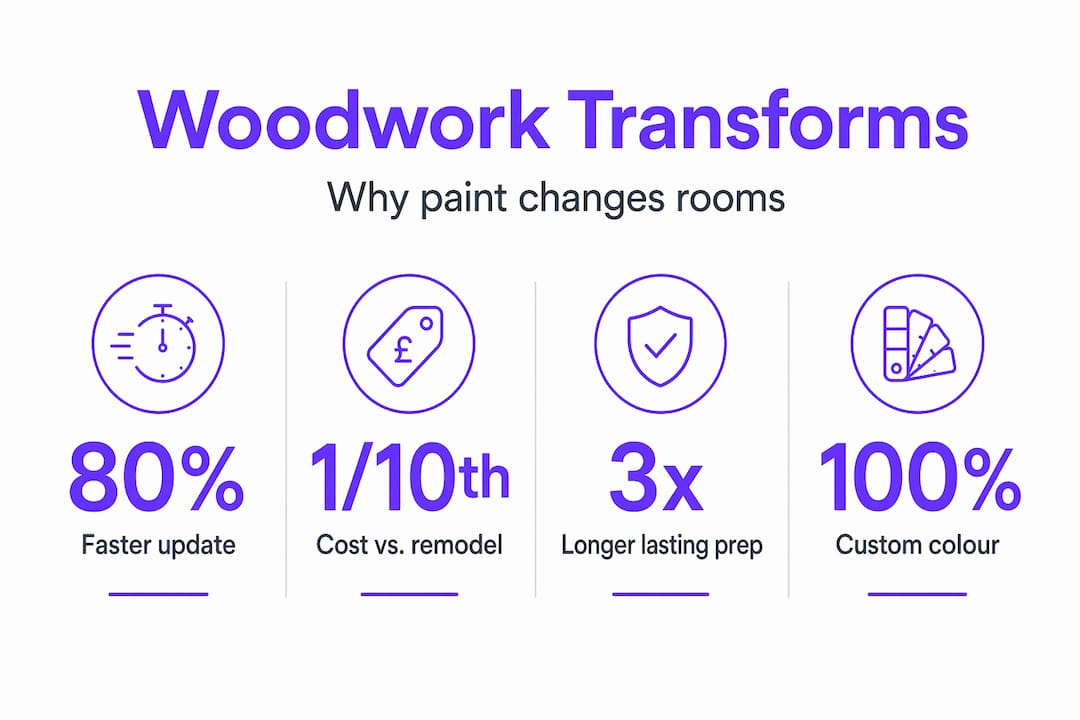
There is also an emotional dimension that is easy to overlook. Painting cabinets often leads to further improvements in hardware, lighting, and layout planning. The act of improving one thing builds confidence and momentum. Homeowners who paint their woodwork tend to look at the rest of the room with fresh eyes, and that shift in perspective is genuinely valuable.
The key to making paint projects last is preparation and product selection. Enamel or hard-wearing water-based paints on cabinetry and high-traffic woodwork will outlast standard emulsion by years. Shellac-based primers on previously stained or varnished surfaces prevent bleed-through and adhesion failure. Done properly, a woodwork paint job should last five to ten years before it needs refreshing.
My honest take on painted woodwork
I have been painting and decorating homes in Manchester and Lancashire for years, and I will tell you what I have learned from actual experience. The rooms that stay looking good the longest are never the ones with the most dramatic colour choices. They are the ones where someone took time over the woodwork.
I have seen beautifully painted walls let down by skirting boards that were rushed, primed poorly, or painted over old varnish without proper preparation. The woodwork is what you see at eye level every single day. It is the frame around everything else. When it is done well, you might not consciously notice it. When it is done badly, you cannot stop noticing it.
The tannin issue is one I have encountered more than once on older properties. You apply a beautiful white eggshell, come back two weeks later, and there are yellowish patches bleeding through. That is entirely avoidable with the right oil-based stain blocker applied first. It is not glamorous advice, but it is the kind of thing that separates a finish that lasts from one that disappoints.
What I find genuinely exciting about the peek-a-boo approach is that it gives homeowners permission to be a little bolder without committing to a full repaint. A painted alcove or a set of stair risers in a deep, confident colour can completely shift the character of a space. I encourage people to try it in one spot before deciding. Almost everyone who does wants to do more.
— Ibrahim
Get flawless woodwork results with Thefinallayer
If this article has got you thinking about your own woodwork, you are not alone. The gap between a good idea and a great result usually comes down to preparation, product knowledge, and patience with the process.

At Thefinallayer, I offer professional painting and decorating services across Manchester and Lancashire, with a particular focus on interior woodwork. That means proper surface preparation, the right primer for your specific timber, and a clean, durable finish that holds up over time. Whether you want a subtle tone-on-tone look or a bold peek-a-boo feature, I will help you get there with honest advice and skilled work at fair prices. Get in touch to talk through your project.
FAQ
What does painting woodwork actually do to a room?
Painting woodwork adds visual layering and architectural definition to a space. It draws attention to the structural elements of a room and can make it feel more considered, deeper, and more personalised.
Do I need a special primer for woodwork?
Yes, in most cases. Tannin-rich woods like oak and cedar require an oil-based stain-blocking primer to prevent discolouration. Glossy or previously painted surfaces need a high-adhesion primer to prevent peeling.
What colours work best on interior woodwork?
Colours that either match the walls for a unified look or contrast them for architectural emphasis tend to work best. Deep tones like navy, charcoal, and forest green on trims and skirting boards against pale walls are particularly effective.
Is painting woodwork a cost-effective home improvement?
Yes. Painting cabinetry and woodwork costs a fraction of structural renovation and can deliver a comparable visual transformation. Kitchen cabinet painting for a few hundred pounds is a practical alternative to a full remodel costing tens of thousands.
How long does painted woodwork last?
With proper preparation and the right products, a woodwork paint job should last five to ten years. Using hard-wearing enamel or water-based eggshell finishes on high-traffic areas significantly extends durability.